Why Visit National Parks in Costa Rica?
Costa Rica’s national parks offer one of the best ways to experience the country’s extraordinary biodiversity. In a single trip, you can hike through tropical rainforest, spot monkeys and sloths, explore volcanic landscapes, navigate jungle canals, or relax on beaches surrounded by nature. Each park offers a different experience, making it easy to build a varied itinerary.
Manuel Antonio National Park: Where Jungle Meets the Beach
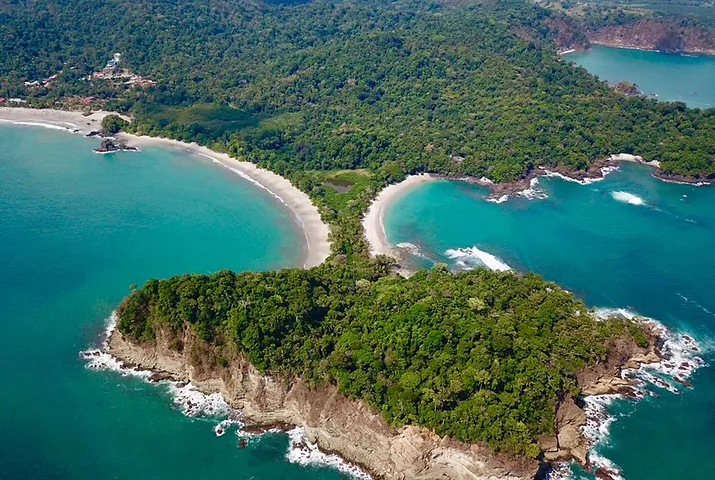
If you want to combine wildlife, tropical forests, and beautiful beaches, Manuel Antonio is one of the best places to start. Its accessibility and variety of experiences have made it one of Costa Rica’s best-known and most visited national parks.
Its trails take visitors through tropical forest where monkeys, sloths, birds, and other wildlife can often be spotted. One of its greatest attractions is the opportunity to combine a rainforest hike with time on the beach.
Best for: families, couples, wildlife lovers, photographers, and first-time visitors to Costa Rica.
Arenal Volcano National Park: Volcanic Landscapes and Adventure
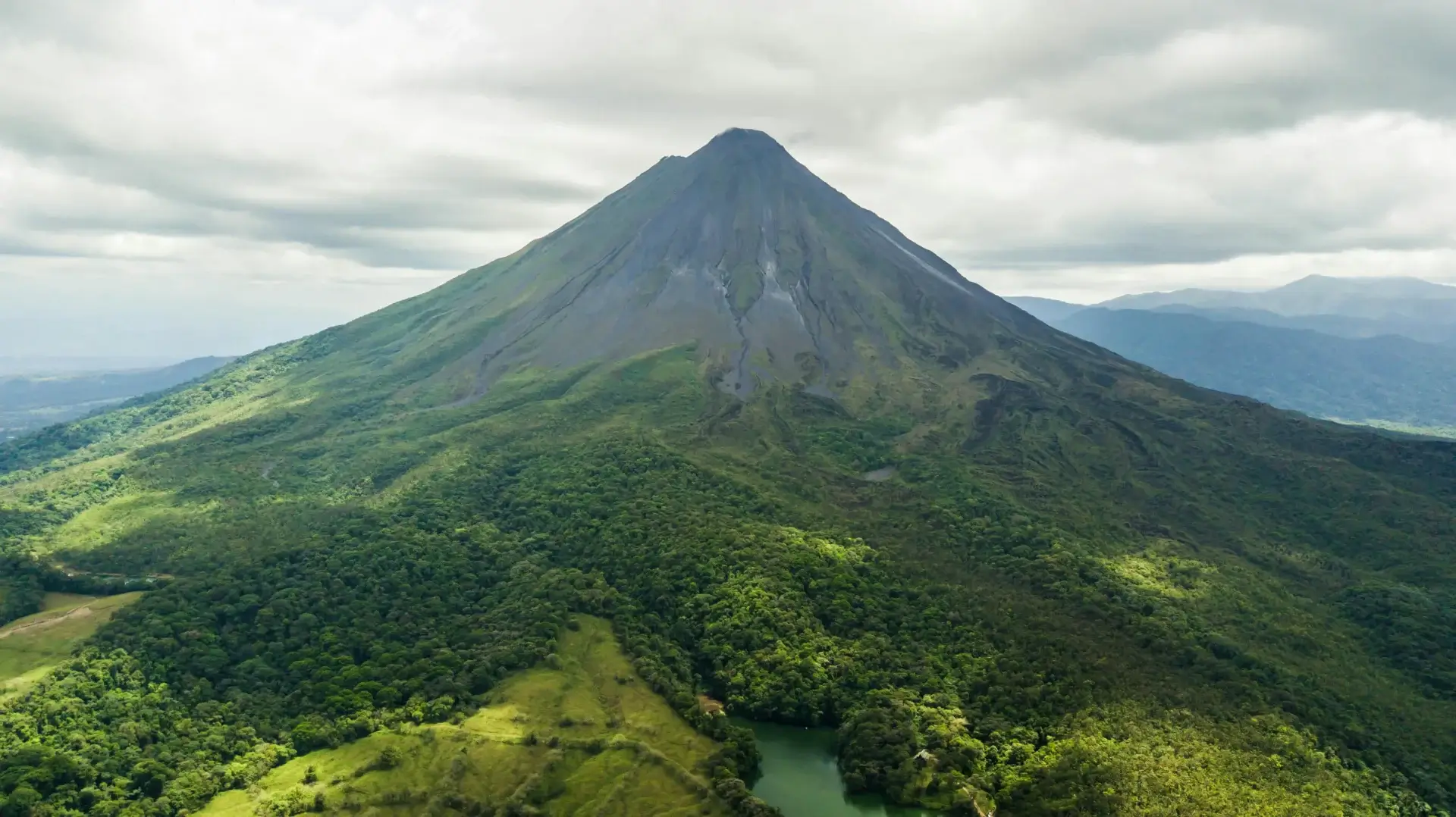
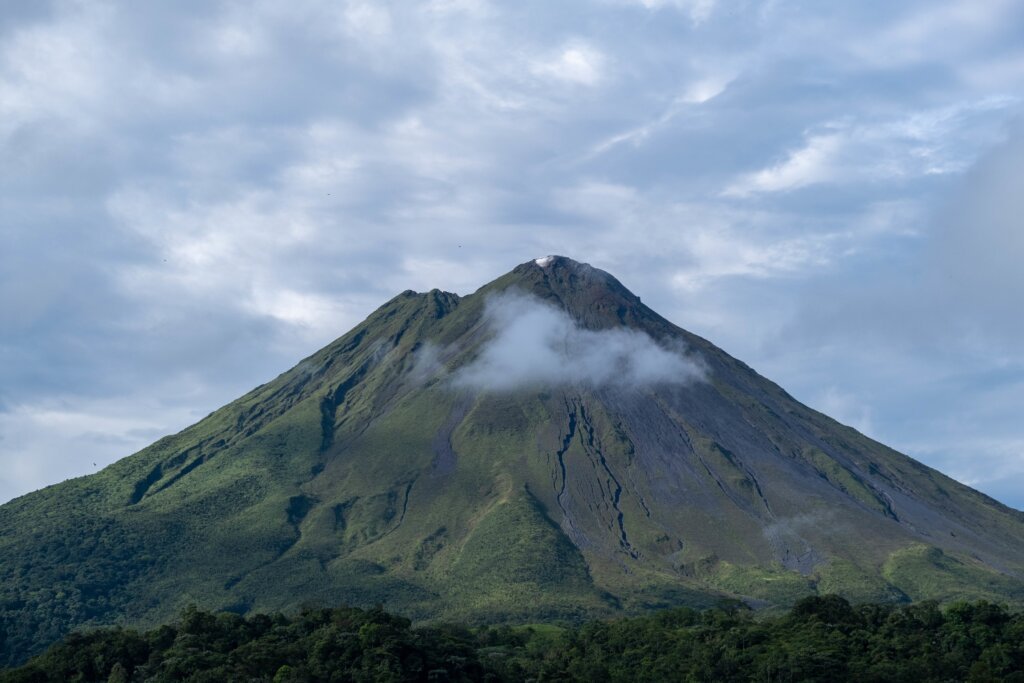
Arenal Volcano National Park is one of the destinations that best represents Costa Rica’s combination of volcanoes and tropical rainforest. Its trails offer views of ancient lava fields, forests, and the impressive Arenal Volcano.
The nearby town of La Fortuna also offers a wide range of activities, including hiking, hanging bridges, hot springs, and outdoor adventures, making the area an excellent addition to a Costa Rica itinerary.
Best for: adventure, hiking, volcanoes, families, and travelers who want a mix of nature and activities.
Tortuguero National Park: Explore Costa Rica's Wild Side by Water
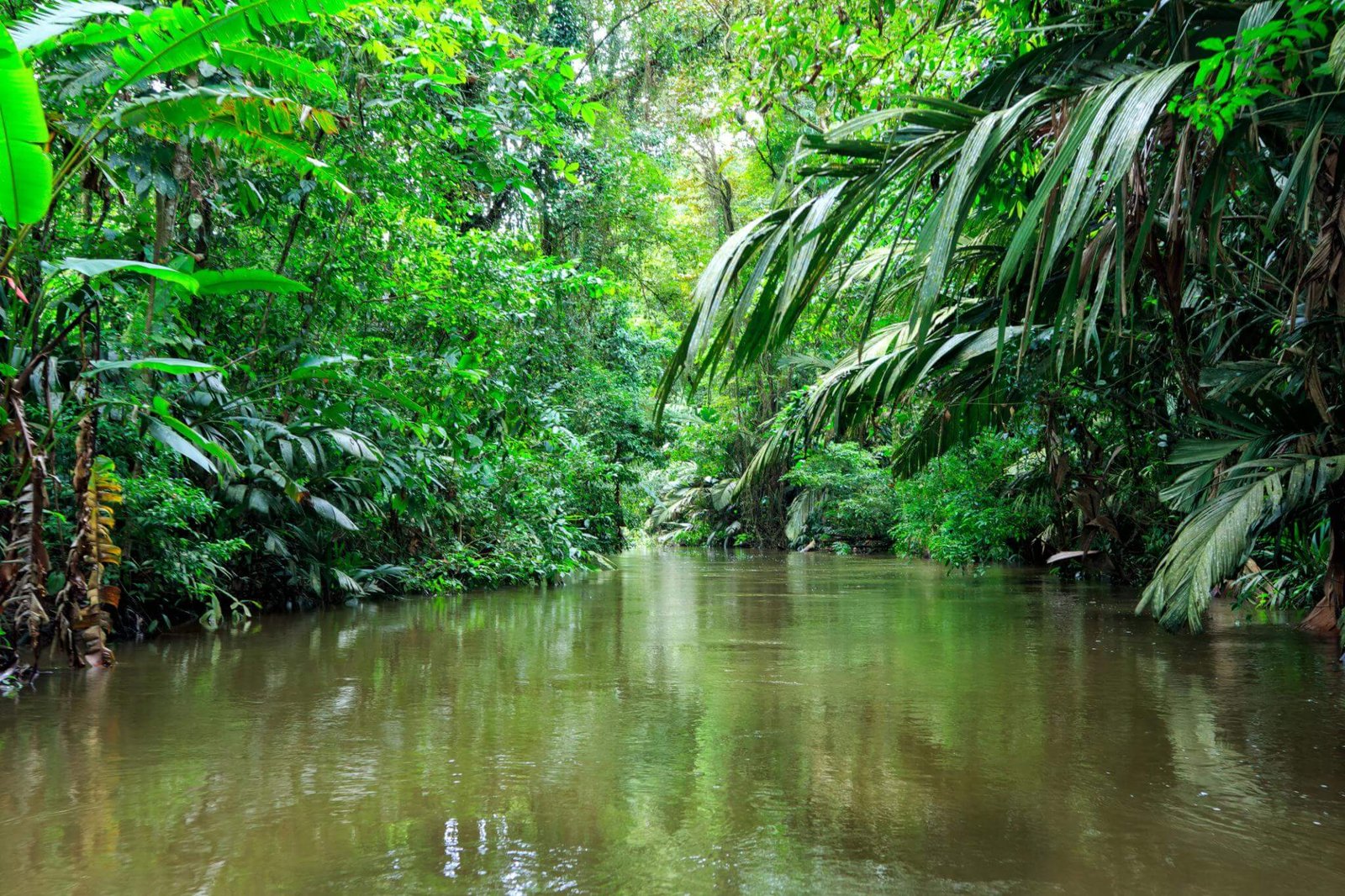
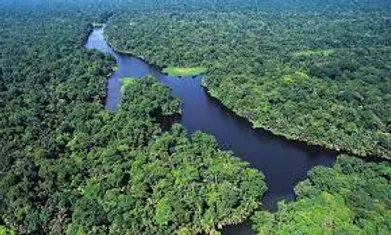
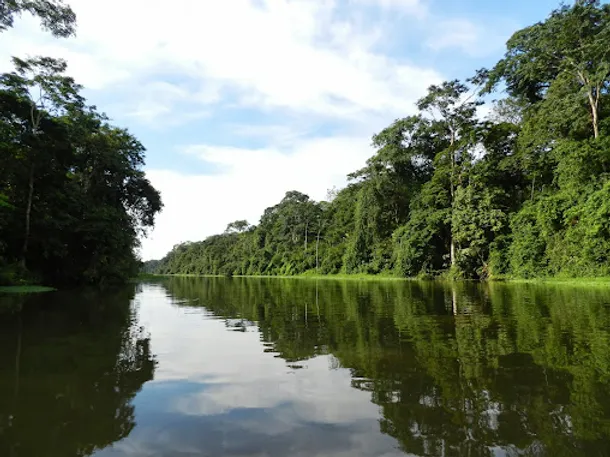
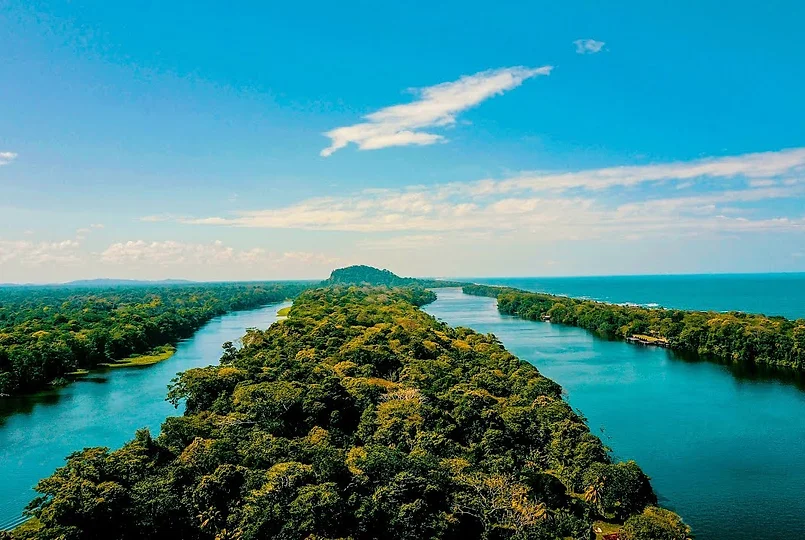
Tortuguero provides a completely different experience. Its canals, lagoons, wetlands, and tropical forests create an ideal setting for exploring nature by boat, canoe, or kayak.
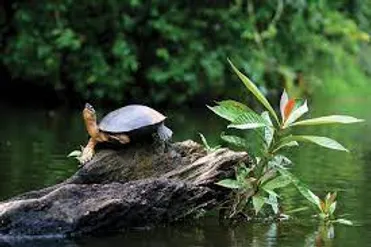
The park is especially famous for protecting several species of sea turtles that use its beaches for nesting. Visitors can also encounter monkeys, sloths, birds, reptiles, and many other species while exploring the waterways.
Best for: wildlife watching, photography, boating, and nature lovers.
Cahuita National Park: Discover Costa Rica's Caribbean Coast
Cahuita National Park is an excellent choice for travelers who want to combine hiking, Caribbean beaches, and marine activities. The park protects both terrestrial and marine ecosystems.
Its coral reefs and Caribbean waters make snorkeling and diving some of the most attractive activities in the area. On land, visitors can also encounter monkeys, sloths, coatis, birds, and other wildlife.
Best for: snorkeling, diving, beaches, hiking, and marine life.
Corcovado National Park: One of Costa Rica's Greatest Wildlife Experiences
Located on the Osa Peninsula, Corcovado National Park is one of the country’s most remarkable destinations for travelers looking for a wilder and more remote experience. Its extraordinary biodiversity makes it one of Costa Rica’s greatest natural treasures.
Visitors may encounter species such as tapirs, monkeys, scarlet macaws, and, with some luck, large cats. Visiting Corcovado requires more planning than some other parks, but its remote character is precisely what makes it so special.
Best for: adventurous travelers, wildlife photography, hiking, and nature enthusiasts.
Irazú Volcano National Park: High-Altitude Landscapes and Volcanic Craters
At more than 3,400 meters above sea level, Irazú Volcano is Costa Rica’s highest volcano and offers a very different experience from the country’s tropical coastal parks.
The crater sector is one of the park’s main attractions. On clear days, the elevation provides impressive views, while the landscape changes as you travel through different microclimates on the way to the summit.
Best for: volcanoes, photography, mountain landscapes, and day trips from San José.
Poás Volcano National Park: See One of Costa Rica's Most Impressive Volcanoes
Located within easy reach of San José, Poás Volcano National Park is a great option for travelers with limited time who still want to experience a Costa Rican volcano.
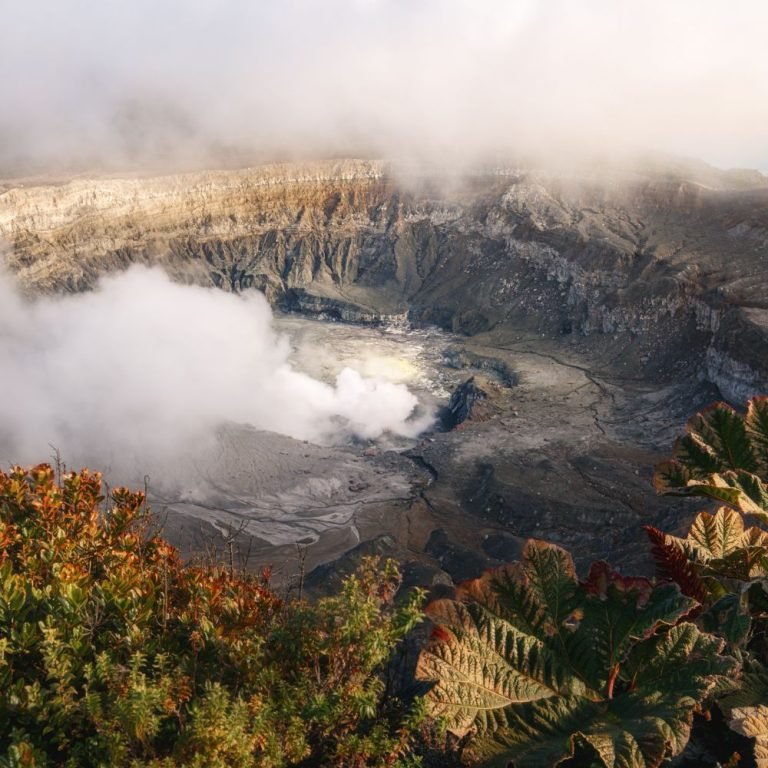
The main attraction is its impressive volcanic crater, surrounded by forest and highland landscapes. The protected area also supports a variety of plants and bird species, making the visit a combination of geology and nature.
Best for: day trips from San José, volcanoes, photography, and short itineraries.
Marino Ballena National Park: Discover the Famous Whale Tail
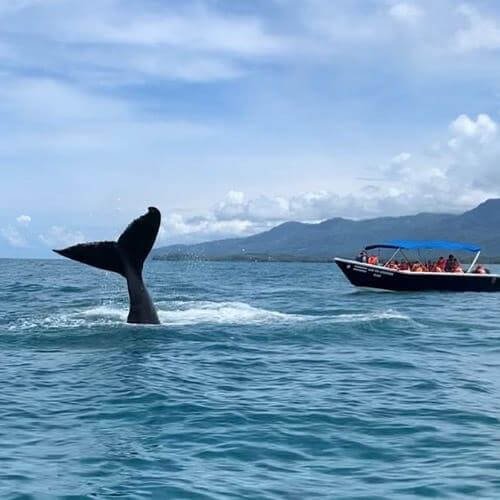
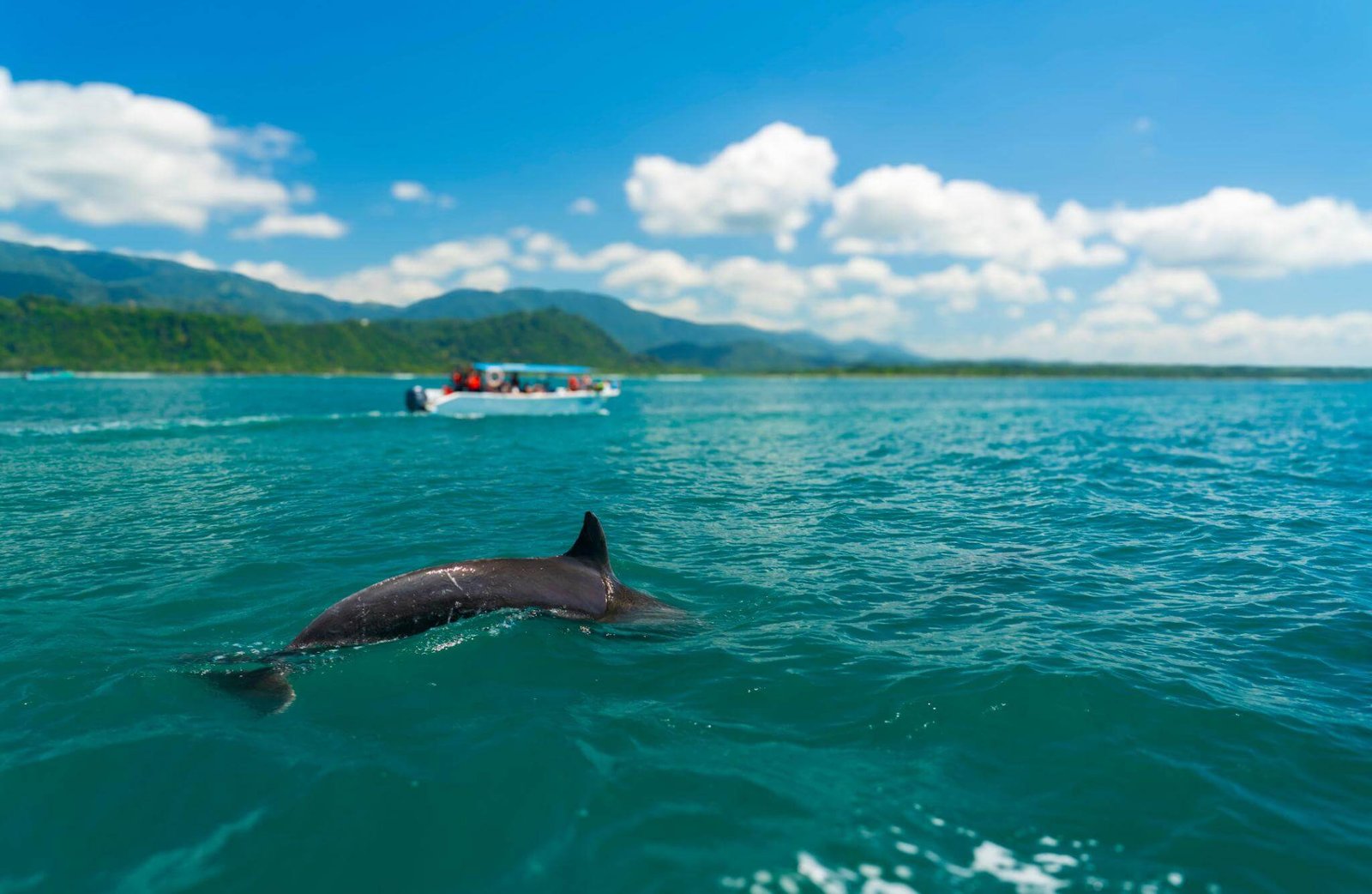
On Costa Rica’s South Pacific coast, near Uvita, Marino Ballena National Park protects important coastal and marine ecosystems. The park takes its name from the humpback whales that migrate through the area.
One of its most famous landmarks is the natural formation known as the “Whale Tail,” which becomes particularly visible around low tide. Visitors can also enjoy beaches and whale-watching experiences during the appropriate migration seasons.
Best for: whale watching, beaches, photography, marine wildlife, and travelers looking for less urban destinations.
Rincón de la Vieja National Park: Volcanoes, Waterfalls, and Hot Springs
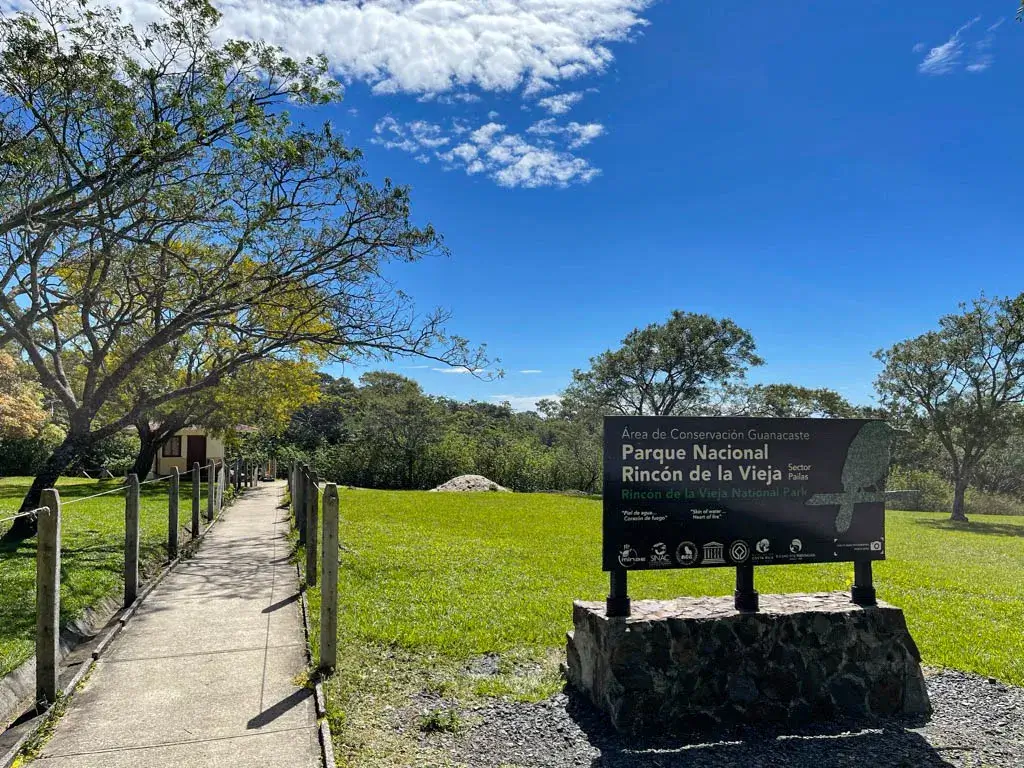
Located in Guanacaste, Rincón de la Vieja National Park offers one of Costa Rica’s most diverse volcanic experiences. Its landscapes include forests, waterfalls, fumaroles, geothermal features, and natural trails.
It is a great alternative for travelers who want to explore a different side of Guanacaste beyond its beaches. Depending on the area and trail, visitors can experience a fascinating combination of volcanic activity, rainforest, and adventure.
Best for: hiking, adventure, volcanoes, hot springs, and active families.
Tenorio Volcano National Park: Discover the Magical Río Celeste
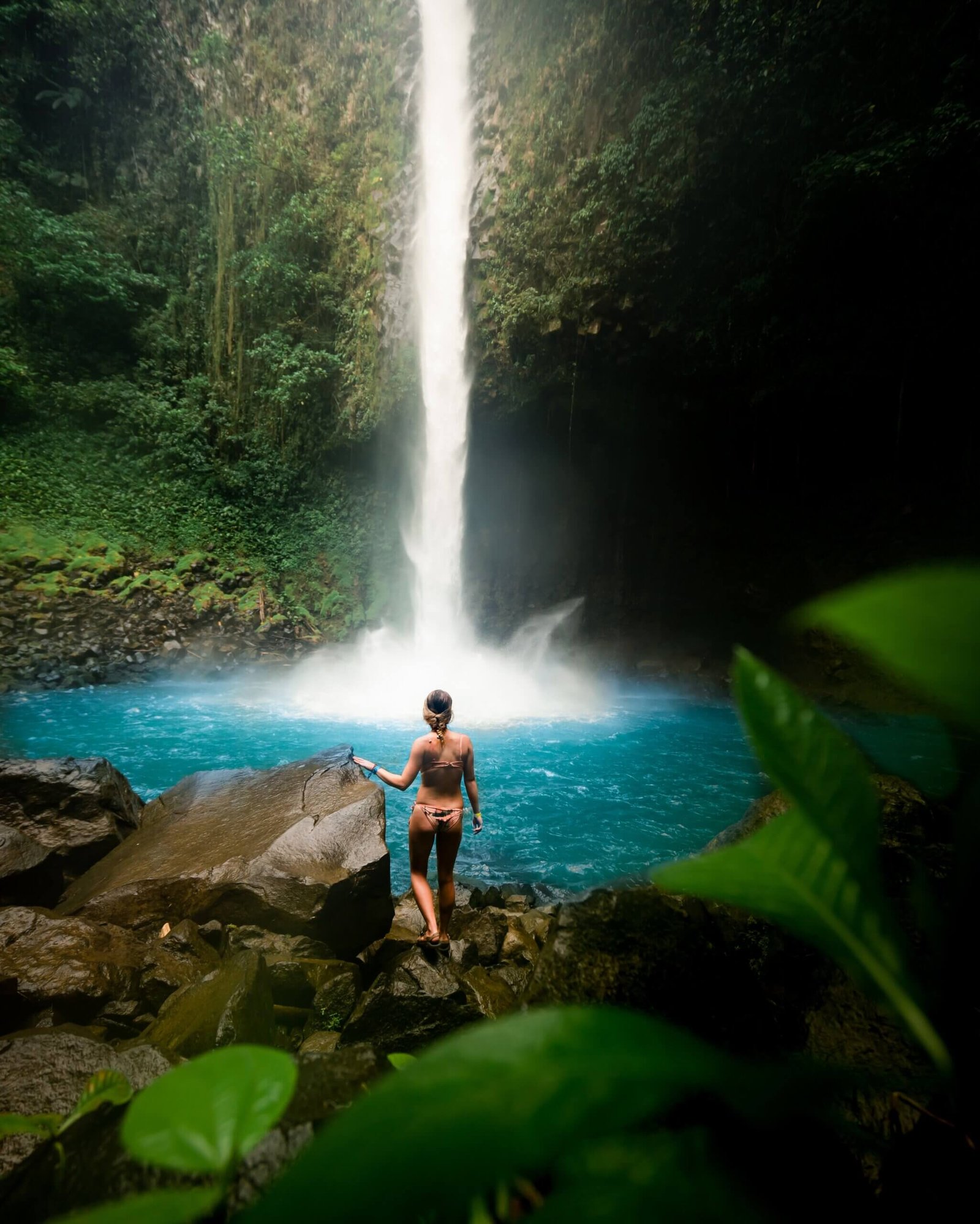
Few landscapes in Costa Rica are as recognizable as the bright blue waters of Río Celeste, located within Tenorio Volcano National Park. The hiking trail passes through tropical forest and leads to several natural attractions, including the famous waterfall.
Beyond its striking scenery, the park is known for its biodiversity and is also a place where visitors may spot wildlife such as tapirs. It is an excellent addition to a route connecting Arenal and Monteverde.
Best for: hiking, photography, waterfalls, nature, and travelers looking for unique landscapes.
Which National Park in Costa Rica Should You Visit?
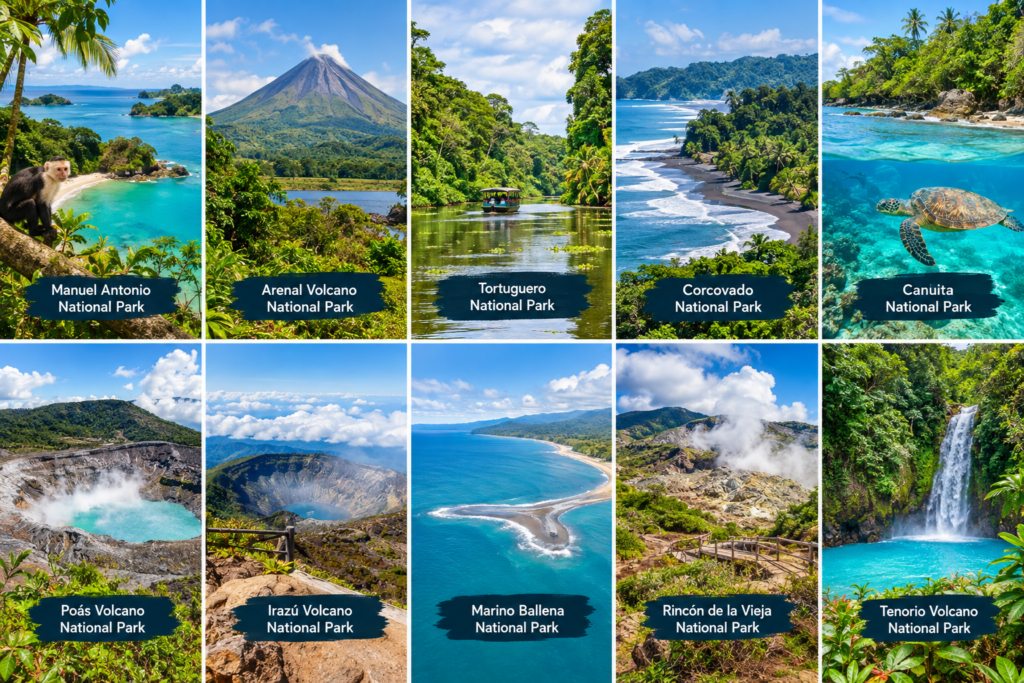
The answer depends on the experience you are looking for. If you want beaches and wildlife, Manuel Antonio is a great choice. For volcanoes and adventure, Arenal and Rincón de la Vieja are excellent options. If wildlife is your priority, Corcovado and Tortuguero stand out. For the Caribbean, Cahuita offers an exceptional combination of rainforest, beaches, and marine ecosystems.
And if you have limited time, Poás and Irazú can be easily incorporated into itineraries from San José.
How to Include National Parks in Your Costa Rica Itinerary
Planning a trip around Costa Rica requires considering distances, available time, and the type of activities you want to enjoy. You do not need to visit every national park on a single trip. Instead, choose the ones that best match your interests and combine them with nearby destinations.
For example, one itinerary could combine San José + Poás + Arenal + Río Celeste + Manuel Antonio, while another could focus on Guanacaste and include Rincón de la Vieja along with other natural attractions in the region.
Costa Rica: A Country Worth Visiting More Than Once
Costa Rica’s national parks are one of the country’s greatest reasons to visit. Each one offers a different perspective of the destination: volcanoes, rainforests, beaches, wetlands, reefs, mountains, and an extraordinary variety of wildlife.
The real challenge is not deciding whether to visit a national park, but deciding which one to visit first. And once you discover one, you may find yourself planning your next trip to explore the rest.