What Can You Expect from a Costa Rica Coffee Tour?
A coffee tour offers an opportunity to experience one of Costa Rica’s most important agricultural traditions firsthand. Depending on the farm, you may walk through coffee plantations, visit processing facilities, discover roasting techniques, and finish the experience with a coffee tasting.
These experiences are ideal for coffee enthusiasts and travelers who want to learn more about local culture while enjoying the country’s beautiful rural landscapes.

From Bean to Cup: Discover How Costa Rican Coffee Is Made
Every cup of coffee has a story that begins long before it reaches your table. During a coffee tour, you can learn about the main stages of production and discover how climate, elevation, and processing methods influence the final flavor.

🌳 Walk Through Coffee Plantations
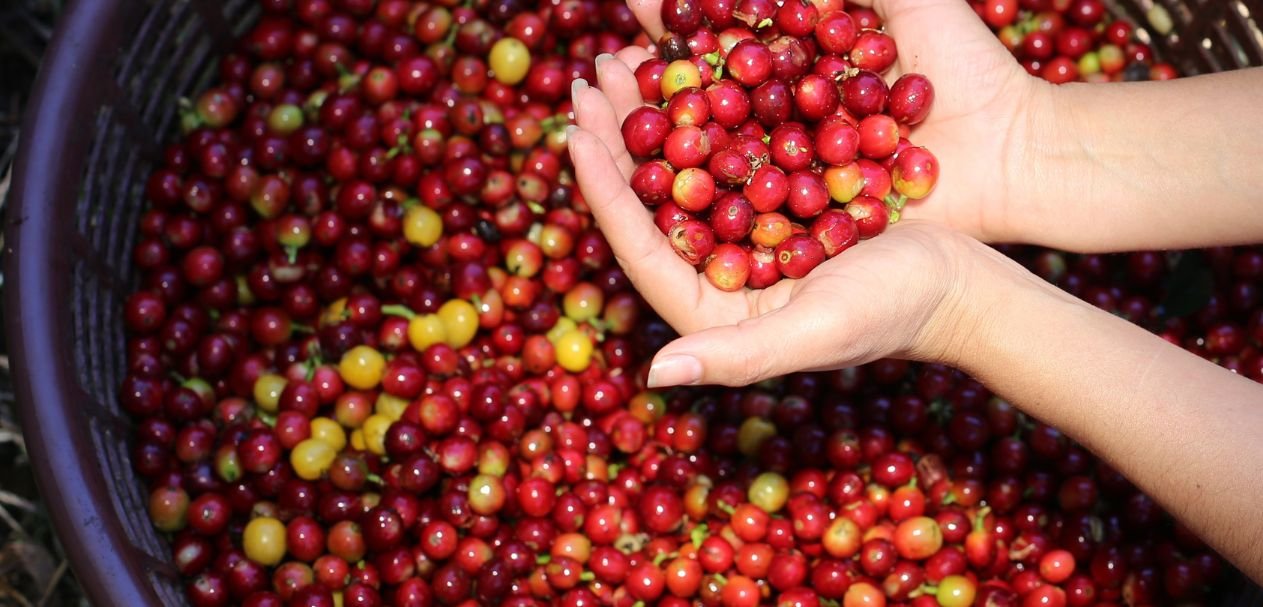
Coffee plantations are the starting point for understanding where your favorite drink comes from. During a guided walk, you can learn how coffee plants grow, how coffee cherries develop, and why environmental conditions matter when producing high-quality beans.
🧺 Learn About Harvesting and Processing
Your tour may continue with an explanation of harvesting, cherry selection, and the methods used to extract and prepare the beans. In Costa Rica, selectively harvesting ripe coffee cherries is an important practice for maintaining coffee quality.
🔥 Discover Coffee Roasting and Preparation
Roasting transforms the characteristics of coffee beans and helps develop their aromas and flavors. Some tours also introduce visitors to different roast levels and explain how roasting techniques influence the final coffee profile.
☕ Enjoy a Costa Rican Coffee Tasting
Coffee tasting is one of the highlights of the experience. You can discover differences in aroma, flavor, acidity, and body while learning why coffees grown or processed in different ways can offer unique tasting experiences.

Where Can You Take a Coffee Tour in Costa Rica?
Costa Rica has several coffee-growing regions, each with its own geographical and agricultural characteristics. If you are staying in San José or exploring the surrounding areas, Alajuela and locations near the Central Valley are convenient options for including a coffee plantation visit in your itinerary.
Combine Coffee and Nature in One Day
If you want to discover Costa Rica’s coffee culture while exploring one of its most famous volcanic landscapes, consider combining a coffee plantation visit with an excursion to Poás Volcano National Park.
This experience takes you through the rural landscapes of Alajuela, introduces you to Costa Rica’s coffee traditions, and continues into a scenic high-altitude natural environment. It is a great option for travelers who want to make the most of their day by combining culture, agriculture, and nature.
Discover the Coffee Experience and Poás Volcano.
Doka Estate: A Coffee Experience Near San José
Doka Estate offers visitors an opportunity to discover different stages of coffee production at a traditional plantation. Its tour introduces guests to coffee cultivation, the processing plant, and roasting techniques.
To explore this experience, check out the Doka Estate Coffee Tour.
When Is the Best Time to Take a Coffee Tour?
Coffee tours are available throughout much of the year, although the experience may vary depending on the farm and the stage of the agricultural cycle.
Harvesting takes place during specific months, depending on the region and weather conditions. During the harvest season, some farms offer opportunities to learn more about picking ripe coffee cherries and handling the crop. Outside the harvest season, visitors can still explore cultivation, processing, roasting, and tasting.
Before booking, check which activities will be available on your preferred date.
What Should You Bring on a Coffee Tour?
Packing a few essentials will help you enjoy your visit, especially if your tour includes walking through plantations or exploring highland areas.
- Comfortable walking shoes: Ideal for trails and uneven surfaces.
- Lightweight clothing: Choose clothes suitable for the day’s weather.
- Sunscreen: Useful for outdoor activities.
- Insect repellent: Particularly helpful when walking through green areas.
- Rain jacket or poncho: Recommended during the rainy season.
- Camera or smartphone: Capture the plantation scenery and coffee-making process.
- Curiosity and a willingness to learn: These will make the experience even more rewarding.
** Remember to check your tour operator’s specific recommendations before departure.
Is a Coffee Tour Suitable for Families?
Many coffee tours are suitable for families and visitors of different ages, especially those that include short walks and interactive explanations. However, accessibility, duration, and activities vary from one plantation to another.
If you are traveling with children or people with limited mobility, check the tour conditions in advance, including any age restrictions or accessibility requirements.
How to Plan Your Visit to a Costa Rican Coffee Farm
To make the most of your experience, consider the plantation’s location, your available time, and the activities you would like to combine.
If you have a free day in San José, you can choose a tour focused on coffee production or book an experience that combines coffee and a volcano visit. It is also important to verify departure times, availability, included transportation, and whether admission and tastings are part of your reservation.
If you want an excursion that combines Costa Rican traditions with beautiful natural scenery, explore the Coffee Experience and Poás Volcano Tour. If you prefer to focus on coffee production and tasting, consider the Doka Estate Coffee Tour.
Discover Costa Rica Through Its Coffee Culture
A coffee tour is a unique way to experience Costa Rica, learn about its agricultural traditions, and appreciate the work behind every cup. From coffee plantations to roasting and tasting, each stage offers a new perspective on one of the country’s most iconic products.
Plan your visit, enjoy the scenery, and discover why Costa Rican coffee holds such a special place in local culture.